
What awaits the commercial real estate market in 2026?
Commercial real estate is a dynamically developing market segment influenced by numerous factors, including economic, social, and technological changes expected in 2026. FSR experts closely monitor these factors and, based on the information obtained, create forecasts for the commercial real estate market in 2026. Our data helps owners, tenants, investors, and other market participants make informed decisions.
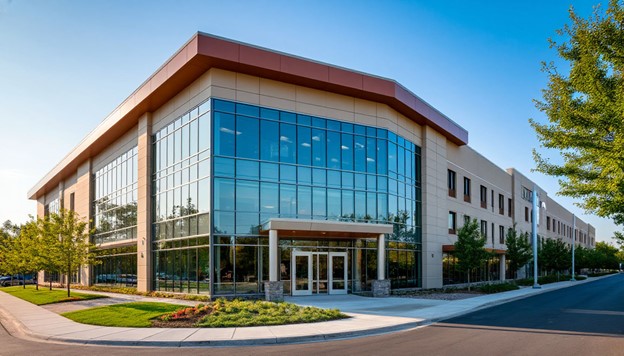
Key Trends in the Commercial Real Estate Market in 2026
In 2026, the economies of many countries will complete the recovery process from the effects of the COVID-19 pandemic. This will lead to increased business activity and growing demand for commercial real estate, particularly in the office, retail, and warehouse segments. This underpins key trends in the commercial real estate market in 2026, including:
- New office formats. Remote work and hybrid work models have become part of the new reality. Office spaces have already adapted to new needs, focusing on flexibility, zoning, and collaboration. The popularity of co-working spaces will grow.
- Growth of e-commerce. With the increase in e-commerce, there is a decline in direct retail, which may lead to changes in demand for retail space. However, the need for warehouse and logistics space will potentially increase.
- Smart real estate. Technological advances such as automation, IoT (Internet of Things), and building management systems will become standard in commercial real estate. Smart buildings will be more energy efficient and provide improved comfort for tenants.
- Digitalization of commercial real estate valuation and management processes will increase transparency and reduce management costs. Tenants will also turn to technology to optimize their business processes.
Interest rates set by the Central Bank will have a significant impact on commercial real estate investment. Rate increases may hinder access to financing, while rate reductions may stimulate demand.
Final Forecasts
Based on the trends listed above, a commercial real estate market forecast for 2026 has been compiled, namely:
- Office real estate sector - traditional demand for large office space is expected to decline further due to the transition to remote work;
- Retail real estate sector - challenges will remain due to the growth of e-commerce, but new retail models integrating online and offline experiences may emerge;
- Logistics and Warehouse Real Estate Sector – Given the growth of e-commerce, demand for logistics and warehouse space will remain high, creating investment opportunities in this sector.
The commercial real estate market in 2026 will experience numerous changes and adaptations. The impact of economic factors, changes in consumer preferences, technological advances, and a focus on environmental sustainability will shape its future. Investors and entrepreneurs must closely monitor these trends to remain competitive and make informed decisions about selecting properties and strategies for their development and use for profit.